

Support at Home Classification 8
Introduction
Under the Support at Home program, there are eight ongoing funding classifications. Each classification reflects the level of care a person is assessed as needing to continue living safely at home.
In this guide, we cover Support at Home Classification 8, the highest ongoing funding level. It’s for older Australians who require the most complex level of in-home care, including those who want to receive palliative care at home.
What is SAH Classification 8?
Classification 8 is the top tier funding level under the Support at Home program.
This classification is for older adults who have complex, high-risk or rapidly changing needs and require support across most areas of daily life. Support is usually needed several times during the day and evening, often to manage multiple chronic health conditions, such as Parkinson’s disease, dementia or advanced heart disease.
This classification is also for people with life-limiting conditions who want to receive palliative care at home. Palliative care focuses on comfort, quality of life and support for both the person receiving care and their family, and can include around-the-clock care.
Who is eligible for Support at Home Classification 8?
To access Support at Home funding, care recipients must complete an aged care assessment. During this assessment, an assessor will learn about the recipient’s health, mobility, personal care needs, cognitive function, home environment and current support network. They will then consider which classification suits the applicant’s support needs.
A Support at Home participant may be eligible for Classification 8 if their care needs are high enough to require support from a coordinated care team, often with continuous day and night monitoring.
For families and carers, it may be difficult to know whether Classification 8 is the right level of support. These circumstances may suggest the person needs this higher level of care:
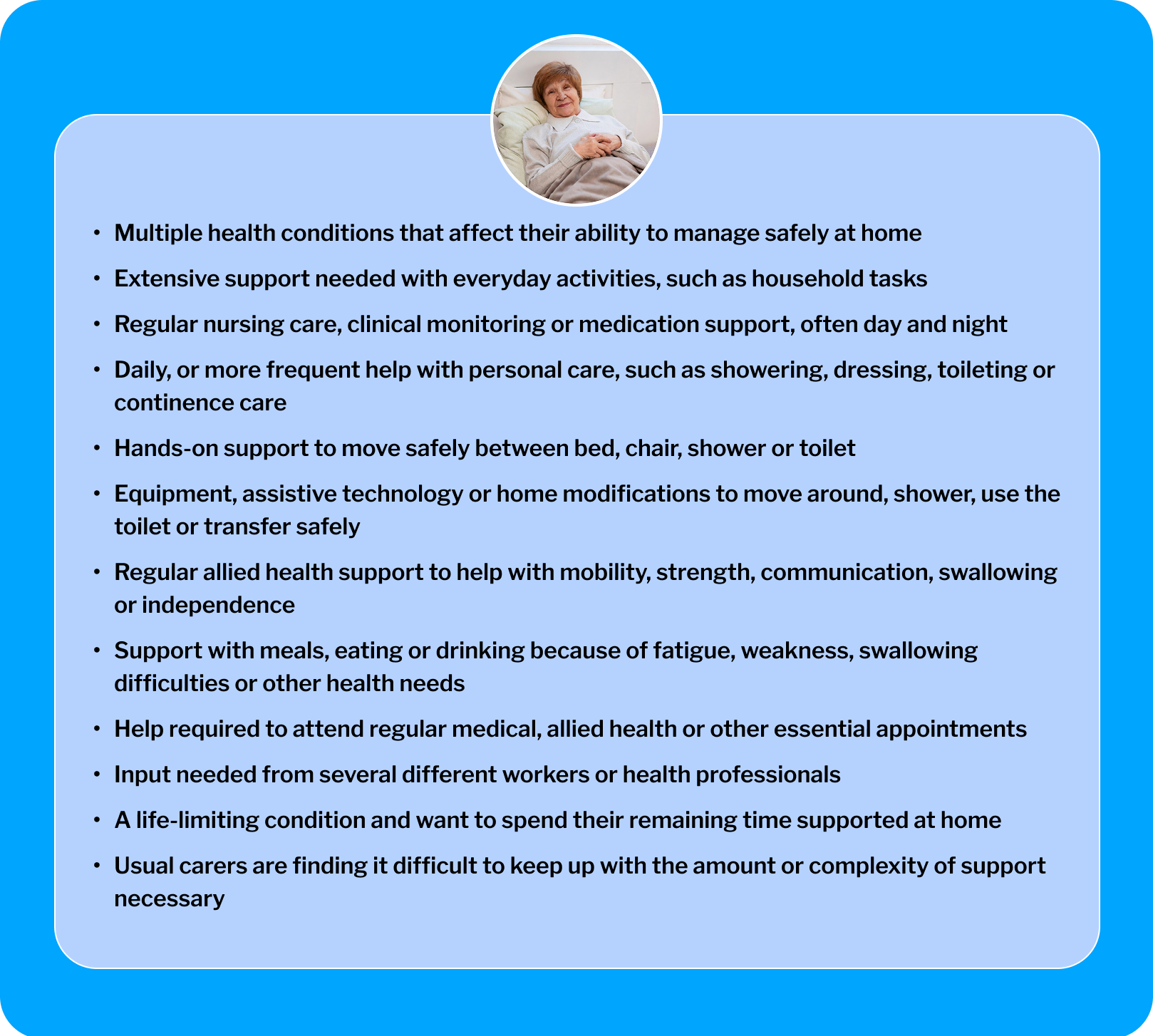
To start the Support at Home assessment process, the care recipient, their family or representative can register online with My Aged Care or call 1800 200 422.
If the care recipient already receives funding but Classification 8 may be a better fit, their family, representative or care provider can request a reassessment and care plan review through My Aged Care.
How much funding does Support at Home Classification 8 provide?
For Support at Home Classification 8, care recipients receive $80,137 per year. This is divided into quarterly budgets of $20,034.
Key funding points:
- The total care budget consists of government funding, care recipient contributions and any eligible supplements.
- The recipient may be asked to pay a share of costs based on their income and assets. There’s a $137,319 lifetime cap on care costs (current as of 20 March 2026), so they’ll never pay more than this over time.
- The recipient’s care provider can deduct up to 10% of their quarterly budget for care management.
- When wait times for ongoing funding in the Support at Home Priority System are longer than expected, the recipient may receive 60% of their approved funding upfront to access essential services. The rest of their budget will be assigned as soon as funding is available.
- Budgets are indexed each year on 1 July.
After the aged care assessment, care recipients may also be approved for short-term funding pathways, in addition to ongoing Classification 8 funding.
For example, the Assistive Technology and Home Modifications Scheme may help fund equipment or household changes. This is useful for people who need mobility aids, bathroom modifications, transfer equipment or other supports to move around safely.
The End-of-Life Pathway may also be relevant for care recipients who have higher in-home aged care needs and are nearing the end of life. This pathway provides separate short-term funding to help eligible older Australians remain at home in their final months.
How many hours of care does Support at Home Classification 8 provide?
Care recipients approved for Classification 8 receive an annual budget of $80,137. The number of hours of support this provides depends on the services delivered and provider prices. The total support hours may be affected by:
- The type of services chosen (for example, clinical support services cost more than personal care or transport)
- The service provider’s prices (hourly costs)
- Whether the care recipient is required to contribute based on their income and assets
- Provider care management fees
Are there out-of-pocket costs with Classification 8?
Recipients may need to contribute toward some services with Support at Home Classification 8 funding. Out-of-pocket amounts depend on:
1. Income and Assets
- Full Age Pensioner: Minimum contribution
- Part Pensioner / Commonwealth Seniors Health Card holder: Moderate contribution
- Self-Funded Retiree: Higher contribution
Support at Home program participants are asked to submit an income and assets assessment (typically through Services Australia) to determine how much they contribute toward their care. While this assessment isn’t required to access services, those who choose not to complete one may be asked to pay the highest contribution rate.
2. The Service Category
The Australian Government groups aged care services into three categories:
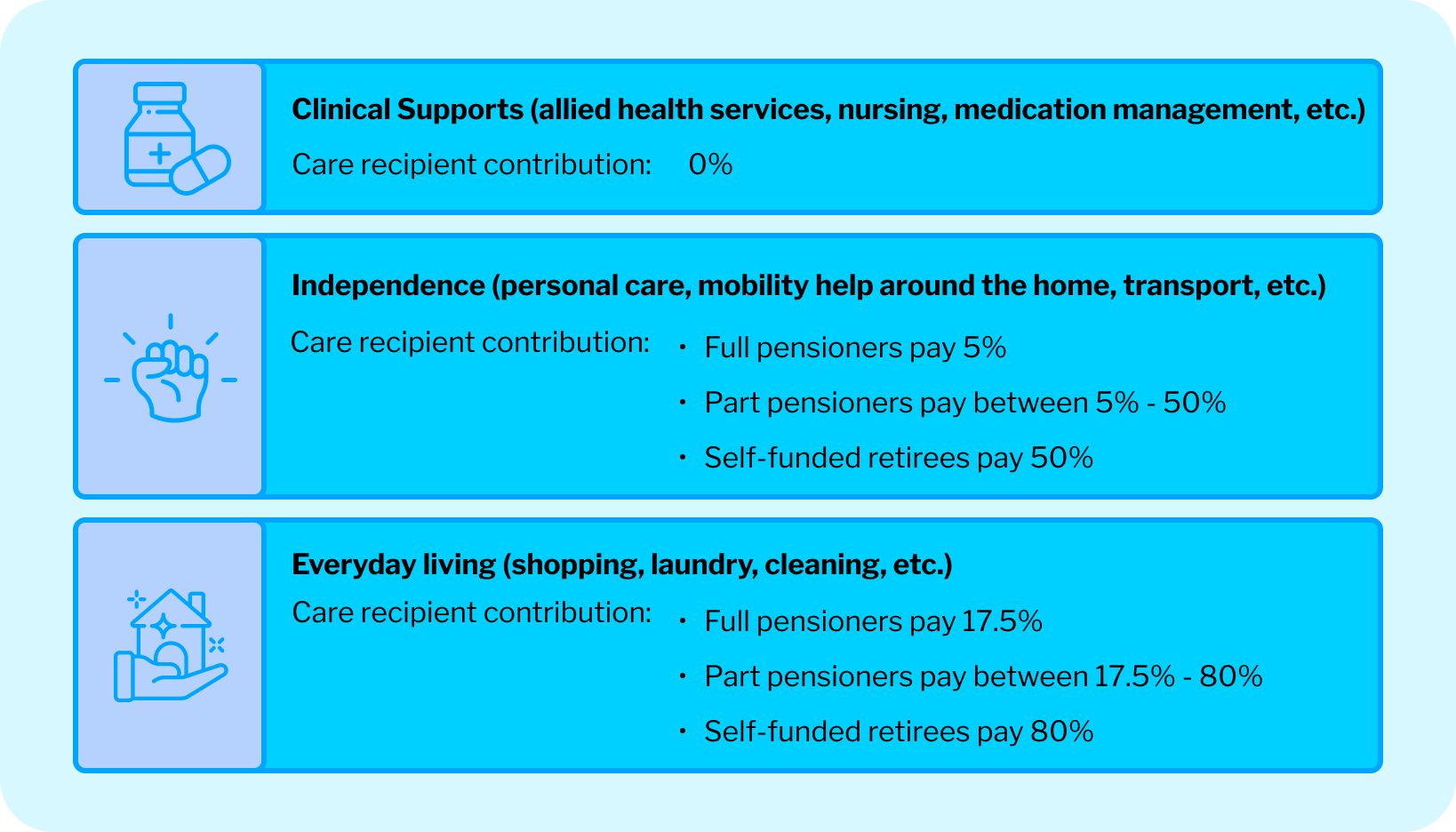
When these are put together, it’s possible to get an idea of how much the care recipient will need to pay out-of-pocket. My Aged Care’s Fee Estimator tool can help estimate likely contributions and plan the Support at Home budget.
What care services are included with Classification 8?
Older Australians who are approved for a Classification 8 budget may be able to access a wide range of in-home aged care services, including palliative care. The services must match their assessed needs and support plan.
Their care plan may include:

Daily help to maintain routines, safety and connection at home, including:
- help around the home, such as cleaning or laundry
- meal preparation
- shopping and errands
- transport to appointments
- support to maintain daily routines
- social support and community outings

Extensive daily or repeated help with:
- dressing
- personal hygiene (showering, etc.)
- eating and drinking
- continence support
- safe transfers (like getting in and out of bed, a chair or the shower)
- mobility support around your home
- medication reminders

Extensive daily or repeated clinical care such as:
- continence management
- wound care and dressing changes
- medication support and review
- health monitoring, such as blood pressure, glucose levels, pain, etc.
- allied health and other support for managing complex and changing health conditions
- post-hospital recovery care

Support for safety, reassurance and practical help during the night, including:
- active support if you wake and need help
- inactive overnight care, where a care worker is available nearby
- toileting or continence support
- help settling back into bed
- reassurance if you feel confused, anxious or unsettled
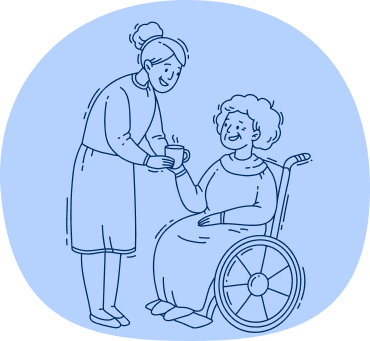
Around-the-clock care, including:
- consistent support across the day and night
- companionship and reassurance
- practical support when short visits are not enough
- continuity of care from a familiar care worker
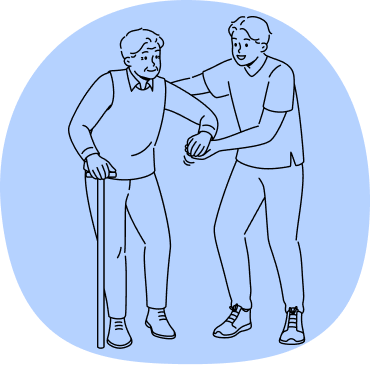
In-home palliative care care focused on comfort, dignity and support, including:
- symptom relief, such as help managing pain, nausea, fatigue or breathlessness
- practical help with daily living needs
- care coordination with doctors, nurses and other health professionals
- emotional support for the person receiving care and their loved ones
- spiritual and cultural support that respects personal values and end-of-life wishes

Short-term care when a usual carer needs time away, including:
- support while a carer rests, recovers or manages other responsibilities
- temporary care when a carer is away or unavailable
- practical help to keep routines on track
- companionship and reassurance
Additional Help
If you’re arranging care for your loved one and you’d like more information about Support at Home Classification 8 or in-home care options, The CareSide team can help. You can reach us on 1300 854 080 or fill out a quick enquiry form to get in touch.

General Support at Home FAQs
How do I apply for Support at Home Classification 8?
To be considered for Classification 8 funding, you’ll first need to register with My Aged Care or call 1800 200 422. If you’re eligible for an assessment, an assessor will arrange an assessment in your home to better understand your health, daily routine and support needs.
If you’re approved for ongoing Support at Home funding, you’ll be assigned a classification based on your assessed needs. You may then need to wait in the Support at Home Priority System until funding becomes available. Once your funding is allocated, you or your loved one can choose a provider and set up your services.
How is my Support at Home classification decided?
Your Support at Home classification is based on the outcome of your aged care assessment. The assessor will consider how much help you need with daily living, personal care, mobility, and health needs, as well as any safety risks. This information helps work out which Support at Home classification best matches your care needs.
How is my Support at Home budget managed?
Your care provider can help you plan services that fit your approved support plan and available budget. They can also explain service costs, care management fees and how much funding is available each quarter.
You’ll also receive monthly statements, so you or your loved one can track what has been spent and how much funding remains.
What happens if I don’t use all my Support at Home funding?
If you don’t use your full quarterly budget, some unspent funds can be carried over into the next quarter. The carry-over amount is capped at $1,000 or 10% of your quarterly budget, whichever amount is higher.
What if my support needs change?
If your care needs change, you can speak with your provider about reviewing your care plan. You can also contact My Aged Care to request a reassessment.
What happens if I’ve moved from a Home Care Package?
If you previously received a Home Care Package, you will have moved into Support at Home with an equivalent transitioned funding level. Any eligible unspent Home Care Package funds will also move with you.
If your care needs have changed since your previous assessment, you can request a reassessment through My Aged Care.
What happens if Classification 8 funding isn’t enough?
Classification 8 is the highest ongoing Support at Home funding classification. If this budget doesn’t cover the full level of care you need, you can speak with your provider about reviewing your care plan and how your budget is being used.
Depending on your needs, you may also be assessed for separate short-term care funding. This may include the short-term care pathways – Assistive Technology and Home Modifications Scheme, the Restorative Care Pathway or the End-of-Life Pathway. These are separate from ongoing Support at Home classification funding.

- By Renee Lunder

- By Eddie Carroll

- By Imogen Kars